
August 20, 2026

Ask ten people to name a rum cocktail worth ordering and most will hesitate. Rum cocktails have carried a reputation problem for decades, stuck somewhere between a college spring break and a plastic cup with a paper umbrella sticking out of the top.
That reputation gets a proper counterargument every August 16th, when National Rum Day rolls around and gives Katy’s bartenders a calendar excuse to prove the stereotype wrong, one carefully built glass at a time.
Rum has been made the same essential way for centuries, distilled from sugarcane juice or molasses and then aged anywhere from a few months to multiple decades depending on the style. That aging window is where most of the confusion starts. A white rum pulled straight off the still tastes almost nothing like a rum that has spent twelve years resting in a charred oak barrel, yet both get filed under the same word behind the bar. Rum also carries a longer trade history than almost any other spirit, with production traditions running through the Caribbean, Central America, and parts of South America, each region developing its own house style over generations. Understanding that range is the first real step toward ordering something better than a syrupy vacation drink.
Part of the problem is that rum spent decades being marketed as a party spirit rather than a craft one. Whiskey got the leather armchair treatment. Gin got the botanical garden treatment. Rum got a plastic cup and a beach towel. That framing stuck, even as distillers kept producing genuinely complex, barrel-aged spirits that can hold their own against any single malt on a back bar.
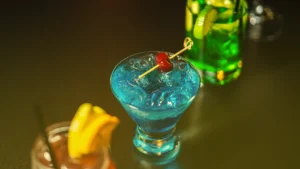
The difference between a forgettable rum drink and a genuinely good one usually comes down to balance rather than ingredients. Bartenders who take the spirit seriously treat it the way they would treat whiskey or gin, as something with its own character that needs a supporting cast, not a flood of sugar to cover for it. A properly built cocktail menu gives rum its own section instead of burying it under a vague “tropical drinks” heading, and that distinction matters more than it might seem to someone glancing at a laminated list on a busy night.
| Rum Style | Flavor Profile | Works Well In |
|---|---|---|
| White or silver | Light, clean, subtly sweet | Daiquiris, mojitos |
| Gold | Rounder, hints of vanilla and caramel | Rum old fashioneds, punches |
| Dark | Molasses, dried fruit, baking spice | Stirred, spirit forward drinks |
| Spiced | Cinnamon, clove, sometimes citrus peel | Cola based or fall leaning cocktails |
| Aged sipping rum | Complex, oaky, occasionally smoky | Neat, or over one large ice cube |
That kind of range is why a bartender who genuinely knows the category can build a dozen distinct drinks from six or seven bottles without repeating a single flavor profile twice in one night.
No conversation about rum is complete without mentioning tiki, the mid-century American bar tradition that took the spirit and built an entire aesthetic and drink language around it. Modern bars have quietly moved away from the neon and plastic version of tiki and toward something closer to its actual roots: layered spice, real citrus juice, and tiki-inspired flavors built with intention rather than poured from a bottled mixer. Done properly, a tiki-style drink is one of the more technically demanding things a bartender can put together, not the lazy shortcut it is often assumed to be. Multiple types of rum, fresh juice, house made syrups, and often a bitters float all have to land in exact proportion, or the drink collapses into the exact stereotype it was trying to avoid in the first place.
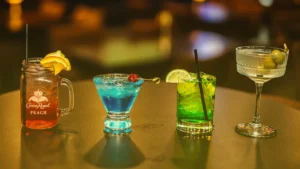
Katy nightlife has changed shape over the past several years, shifting away from a handful of predictable chain restaurants and toward bars that put real thought into what actually ends up in the glass. That shift shows up clearly in how rum gets treated. Instead of one frozen option buried at the bottom of a menu, a growing number of Katy bars are building rotating rum selections, sourcing aged bottles from Guyana, Jamaica, and Barbados, and training staff to talk through the differences the way a sommelier might walk a table through a wine list on a slow Tuesday night.
Rum’s natural sweetness and spice make it a better food partner than most people expect, particularly alongside a Mediterranean-leaning menu built around shared plates. A citrus forward daiquiri cuts through grilled meats and rich dips the same way a squeeze of lemon would at the table. A dark or spiced rum, on the other hand, tends to sit comfortably next to smoky small plates or anything built around warm spice, since the drink echoes rather than competes with what is already on the plate. Ordering a rum cocktail alongside a shared spread is a far more interesting pairing exercise than most guests give it credit for before trying it once.
If National Rum Day is the excuse to finally order something other than a vodka soda, a few directions are worth exploring depending on personal taste. Anyone who prefers something bright and citrus forward should ask for a well-made daiquiri, which at its best bears almost no resemblance to the blended version most people picture in their head. Drinkers who lean toward something slower and more contemplative might ask for a rum old fashioned built on a gold or dark rum, swapping the usual bourbon base for something with deeper molasses notes underneath. For a middle ground, a properly balanced mai tai, made with fresh lime juice and real orgeat rather than a bottled mix, shows exactly why the style earned its reputation among serious bartenders decades ago.
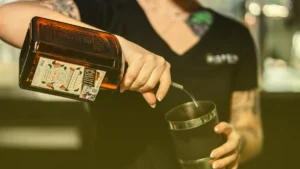
Rum’s reputation problem was never really about the spirit itself. It was about how carelessly it got treated for decades by bars that reached for the sweetest, fastest option instead of the most interesting one sitting right next to it. A single well-made rum cocktail, ordered on a night out in Katy or anywhere else, is often enough to change someone’s mind for good. National Rum Day simply gives people a calendar excuse to test that theory for themselves, one glass at a time.
Leave a Comment: